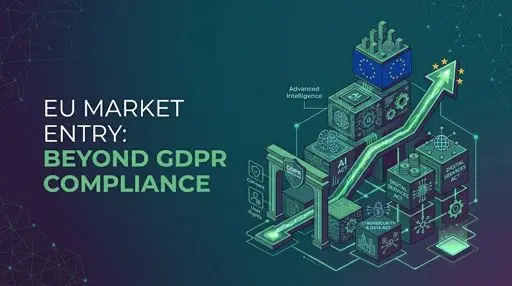
GDPR compliance has become the default starting point for European expansion planning. Privacy policies get updated, data processing agreements get drafted, and companies declare themselves "EU ready." Then they discover the real challenges begin after the privacy work is done.
European expansion involves structural questions that privacy compliance doesn't address. Where should the entity sit? Which market offers the best combination of talent access, tax treatment, and operational simplicity? How do you handle employment across multiple jurisdictions without creating a compliance nightmare?
The corporate structure decision alone involves trade-offs most companies don't anticipate. Ireland offers favourable tax treatment but increasingly competitive talent markets. The Netherlands provides excellent holding company infrastructure but complex employment law. Germany has the largest market but challenging regulatory requirements for certain sectors.
Beyond structure, European customers often expect commercial terms that differ from US or APAC norms. Payment terms tend to be longer. Liability caps face more scrutiny. Consumer protection requirements affect B2B relationships in unexpected ways. Companies that simply translate their existing agreements often find themselves renegotiating basic terms repeatedly.
Successful European expansion requires treating the market as genuinely different, not just a privacy-compliant extension of existing operations. That means investing in local expertise, adapting commercial approaches, and accepting that some things that worked elsewhere won't work here.
GDPR compliance is necessary. It's just not sufficient for genuine market entry.